
Table of Contents
How to Install a Dog Door in a Security Screen
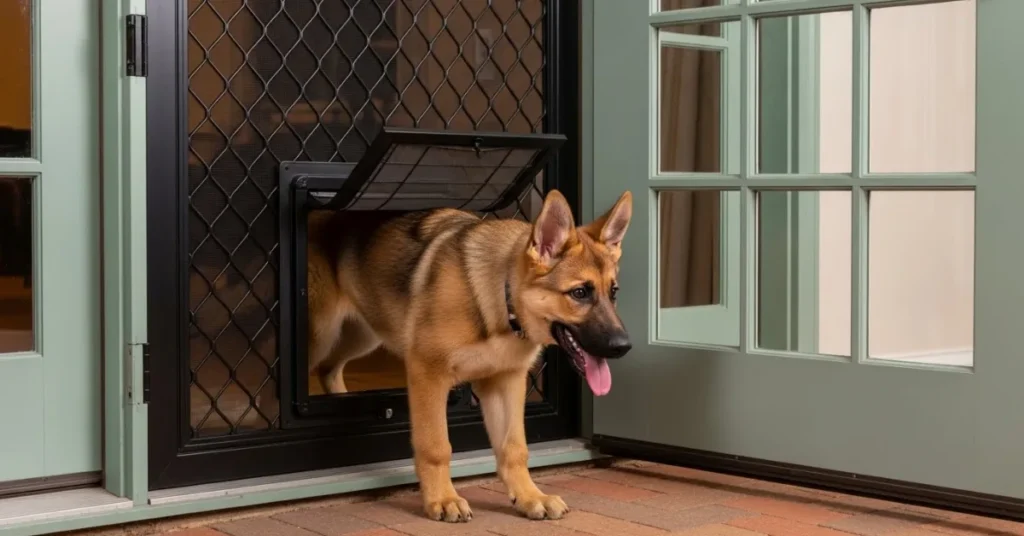
To install a dog door in a security screen, measure and mark the area, cut carefully, and fit a secure pet door frame designed for metal or mesh screens.
If you have pets, you know how important it is for them to move freely in and out of the house. Installing a dog door in a security screen is a convenient way to give your furry friend independence while keeping your home safe. But it must be done correctly — otherwise, it can weaken your security.
At RC Security Group, we understand that your home’s protection is your top priority. This guide explains everything you need to know about installing a dog door safely and securely in a security screen without compromising your property’s strength.
Step-by-Step Guide: How to Install a Dog Door in a Security Screen
1. Choose the Right Dog Door
Start by choosing a pet door made specifically for security screens or metal mesh doors. These models usually come with:
- A sturdy metal frame
- A locking panel for security
- Weather-resistant sealing
Avoid plastic doors meant for timber or glass, as they are less secure.
You can find pet doors that integrate well with access control systems or have locks that match your existing screen design for extra safety.
2. Measure Your Dog and Mark the Position
Measure your dog’s height from the ground to its belly. The bottom of the door should be roughly at that height.
Next, mark the door’s placement on your security screen using a pencil. Make sure there’s enough space between the bottom of the screen and your marking to maintain structural strength.
Pro tip: Keep the dog door at least 10 cm from the frame to avoid damaging key support points.
3. Remove the Screen Door (if necessary)
For easier cutting, remove the door from its hinges and place it on a stable surface. Lay it flat and ensure it won’t move while you work.
If you’re unsure how to remove it safely, RC Security Group’s experts — trained in asset protection and home safety — can handle it for you without damaging your door.
4. Cut the Opening
Using a grinder or jigsaw with a metal-cutting blade, carefully cut along the outline you marked. Wear protective gear such as gloves and goggles during this process.
Cut slowly to avoid fraying the mesh. Once the opening is complete, file down any sharp edges to ensure safety for your pet.
5. Fit the Dog Door Frame
Insert the pet door frame into the opening and check that it fits snugly. Most security pet doors come with an inner and outer frame that clamp onto the screen.
Secure the door using the provided screws or fasteners. Tighten them evenly to prevent bending or gaps.
For maximum protection, you can integrate this setup with alarm monitoring or emergency and incident response systems for instant alerts if the door is tampered with.
6. Test the Door
Once installed, check that the flap swings freely and seals properly when closed. Let your dog test it a few times. You might need to adjust the flap tension if it doesn’t close completely.
Make sure it locks properly — especially if you’re away from home often or rely on mobile patrol services to monitor your property.
Why Add a Dog Door to a Security Screen?
A dog door can make life easier for both you and your pet. It allows your dog to go outside without needing you to open the door constantly. However, when adding a pet door to a security screen, it’s important to balance convenience and safety.
Security screens are designed to keep your home protected from intruders, insects, and harsh weather. Cutting into them without proper planning can weaken their integrity. That’s why installation should always be done with careful thought — or by a professional.
If your home is already protected with CCTV monitoring or alarm monitoring, a secure dog door adds another layer of convenience without reducing protection.
Common Mistakes to Avoid
Installing a dog door may sound simple, but even small mistakes can create security risks. Here are a few common errors to avoid:
- Cutting too close to the frame: This weakens the door’s structure.
- Using a non-security pet door: Regular doors can easily be pushed open or damaged.
- Not sealing gaps properly: Gaps can let in insects or make your home less secure.
- Skipping professional help: DIY may save money upfront, but can lead to long-term damage or compromised safety.
If you need expert support, RC Security Group offers complete personal security guard and asset protection services to safeguard your home or business.
How to Keep Your Security Intact After Installation
Once your dog door is installed, there are ways to keep your home protected:
- Add a Locking Panel:
- Use a locking insert when you’re not at home or at night.
- Install CCTV Monitoring:
- Integrate CCTV monitoring near your back door to keep an eye on pet activity and detect unusual movement.
- Combine with Alarm Monitoring:
- Connect the area to your alarm monitoring system to receive alerts if the door is forced open.
- Use Motion-Activated Lights:
- Bright lights discourage intruders and help you monitor pet activity more easily.
- Schedule Security Checks:
Periodic mobile patrol inspections or emergency and incident response support can further enhance your security coverage.
When to Call a Professional
While it’s possible to install a dog door yourself, you should consider professional help if:
- Your security screen is made of high-strength steel or stainless mesh.
- You’re not confident using power tools.
- You want to ensure full protection after installation.
RC Security Group provides expert support in securing properties, whether it’s for corporate security, event security, or residential safety. Our professionals ensure that your modifications don’t compromise your overall security system.
Benefits of Installing a Dog Door in a Security Screen
- Freedom for Your Pet: No need to open doors constantly.
- Improved Home Convenience: Pets can go out even when you’re not home.
- Energy Efficiency: Modern pet doors are designed to reduce drafts.
- Enhanced Safety: High-quality pet doors have lockable flaps and reinforced frames.
By combining your dog door installation with CCTV monitoring and access control, you create a smart, secure, and pet-friendly home.
Final Thoughts: Security and Convenience Can Coexist
Adding a dog door to your security screen doesn’t have to mean sacrificing safety. With the right installation and professional guidance, you can enjoy both comfort and protection.
At RC Security Group, we specialize in protecting homes and businesses through advanced alarm monitoring, CCTV systems, and mobile patrol services. Whether you’re managing a residential property or need help securing a larger site, we ensure your safety solutions fit perfectly with your lifestyle — and even your pets.
Contact RC Security Group today for expert advice on keeping your property safe while making life easier for you and your furry friend.